Black Mold Remediation in Essex County, NJ
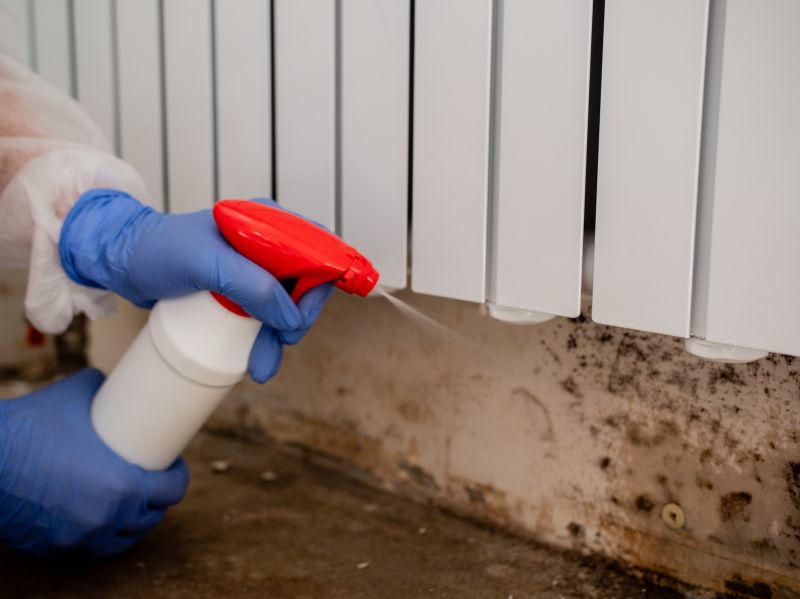
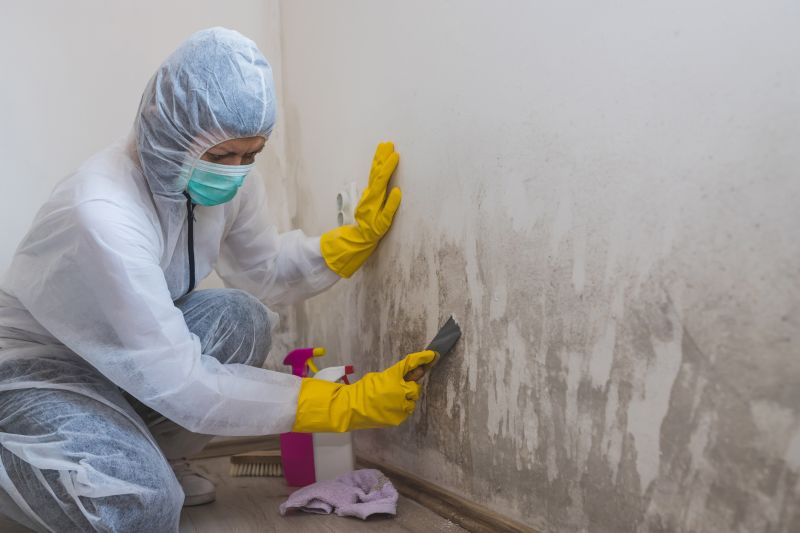
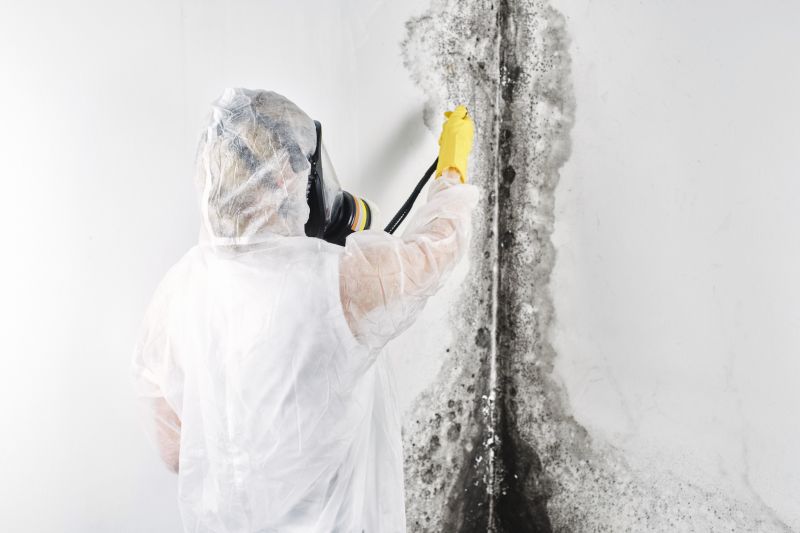
Black mold remediation services focus on identifying and removing mold growth caused by excess moisture or water intrusion inside residential properties. These projects typically involve thorough inspection, containment to prevent spread, mold removal, and cleaning of affected areas such as walls, ceilings, basements, or HVAC systems. Property owners often seek this service when noticing visible mold, musty odors, or experiencing health symptoms linked to mold exposure. Understanding the extent of the mold problem and the potential for hidden growth behind walls or under flooring can be important before requesting remediation.
Homeowners should be aware that successful mold remediation requires proper containment and removal techniques to prevent cross-contamination and ensure the mold does not return. It’s also helpful to understand the underlying cause of moisture or water intrusion that led to mold growth, as addressing this issue is essential for long-term results. Clarifying the scope of the project, including areas affected and the types of materials involved, can assist property owners in making informed decisions about remediation services.
Many property owners in Essex County, NJ look into Black Mold Remediation for repairs, replacements, upgrades, and appearance-related improvements.
Identifying Black Mold Issues
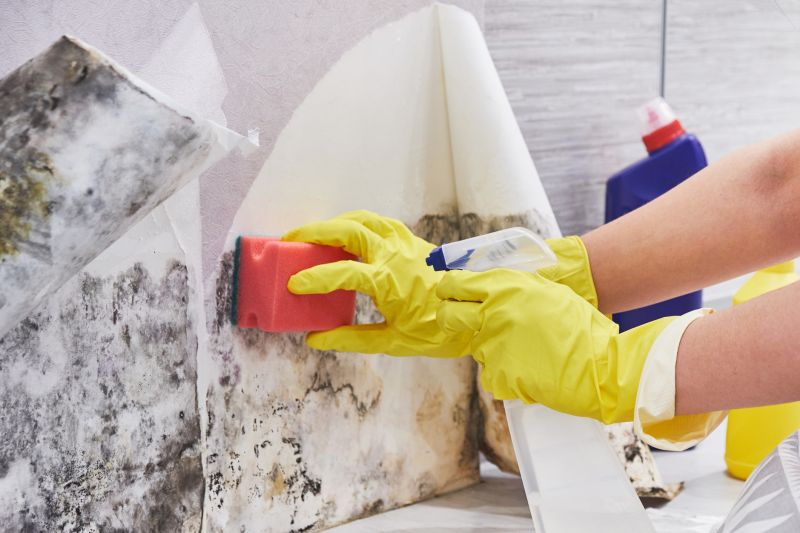
Signs of black mold often include musty odors and visible dark spots on walls or ceilings.
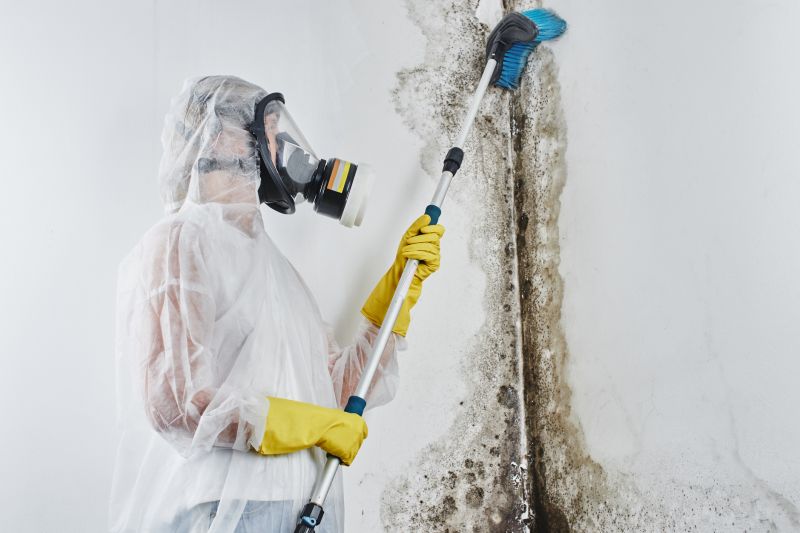
Health Risks Of Black Mold
Exposure to black mold can cause respiratory problems, allergies, and other health concerns for residents.
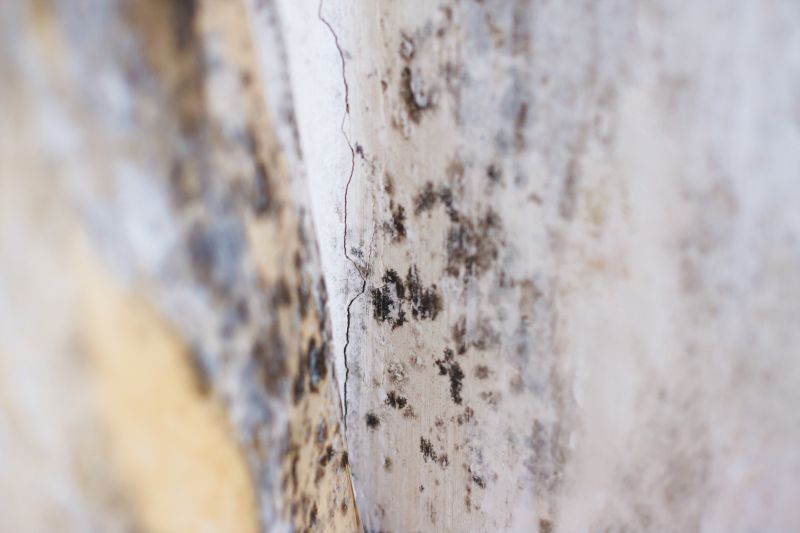
Remediation And Prevention
Professional black mold removal involves thorough cleaning and moisture control to prevent future growth.
Black Mold Remediation in Essex County, NJ
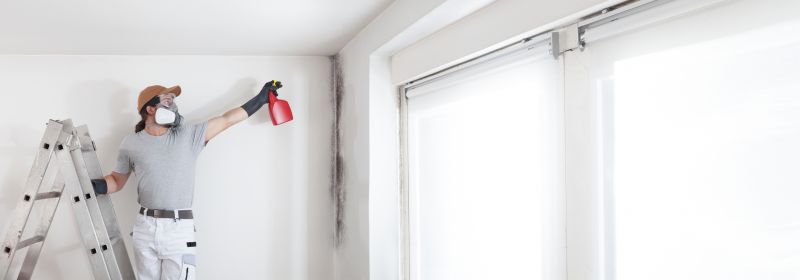
Black mold remediation services focus on identifying and removing mold growth caused by excess moisture or water intrusion inside residential properties. These projects typically involve thorough inspection, containment to prevent spread, mold removal, and cleaning of affected areas such as walls, ceilings, basements, or HVAC systems. Property owners often seek this service when noticing visible mold, musty odors, or experiencing health symptoms linked to mold exposure. Understanding the extent of the mold problem and the potential for hidden growth behind walls or under flooring can be important before requesting remediation.
Homeowners should be aware that successful mold remediation requires proper containment and removal techniques to prevent cross-contamination and ensure the mold does not return. It’s also helpful to understand the underlying cause of moisture or water intrusion that led to mold growth, as addressing this issue is essential for long-term results. Clarifying the scope of the project, including areas affected and the types of materials involved, can assist property owners in making informed decisions about remediation services.
Many property owners in Essex County, NJ look into Black Mold Remediation for repairs, replacements, upgrades, and appearance-related improvements.
Common Black Mold Remediation Jobs
Black Mold Remediation - removal of mold growth from indoor surfaces to improve air quality.
Attic and Basement Mold Cleanup - addressing mold issues in hidden or hard-to-reach areas.
Water Damage Restoration - treating mold caused by leaks, floods, or excess moisture.
Mold Inspection and Assessment - identifying mold presence and determining the extent of contamination.
Drying and Dehumidification - reducing humidity levels to prevent mold recurrence after cleanup.
Mold Prevention Services - implementing strategies to inhibit future mold growth in residential properties.
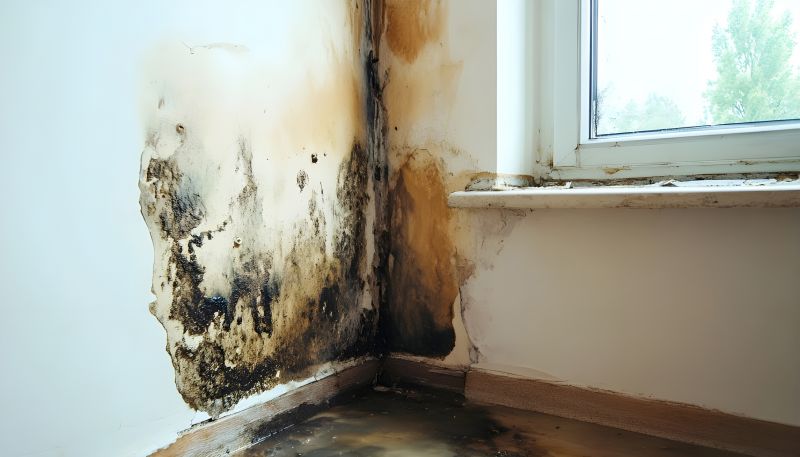
Black Mold Remediation Questions
What is black mold remediation? Black mold remediation involves removing mold growth from affected areas and addressing moisture issues to prevent future growth.
When should property owners consider mold removal? Mold removal is recommended when visible mold is present or if there is a musty odor indicating hidden growth.
What types of surfaces can be treated for mold? Mold can be treated on a variety of surfaces including drywall, wood, and flooring affected by moisture and mold growth.
How does mold remediation improve indoor air quality? Removing mold reduces airborne spores and allergens, helping to create a healthier indoor environment.
Request Black Mold Remediation in Essex County, NJ
Use the quote form on this page to share the basics of your project and request more information for the type of work you need.