
Mold Detection in Dallas, TX
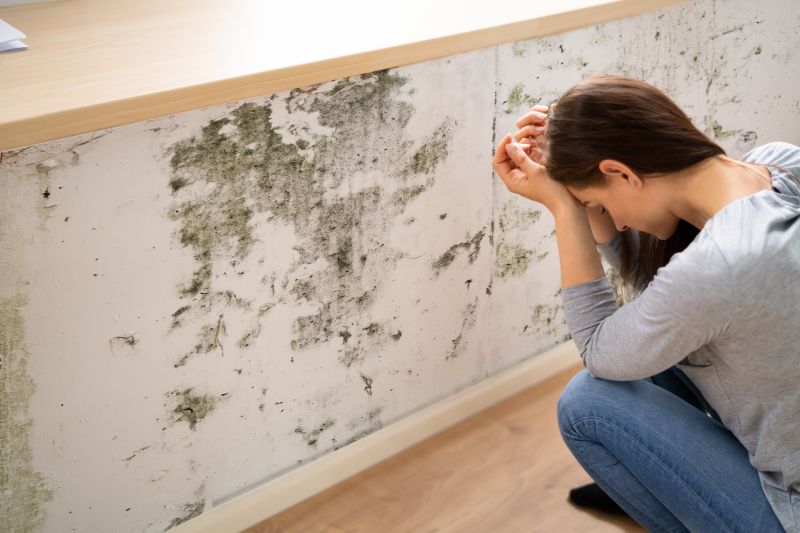
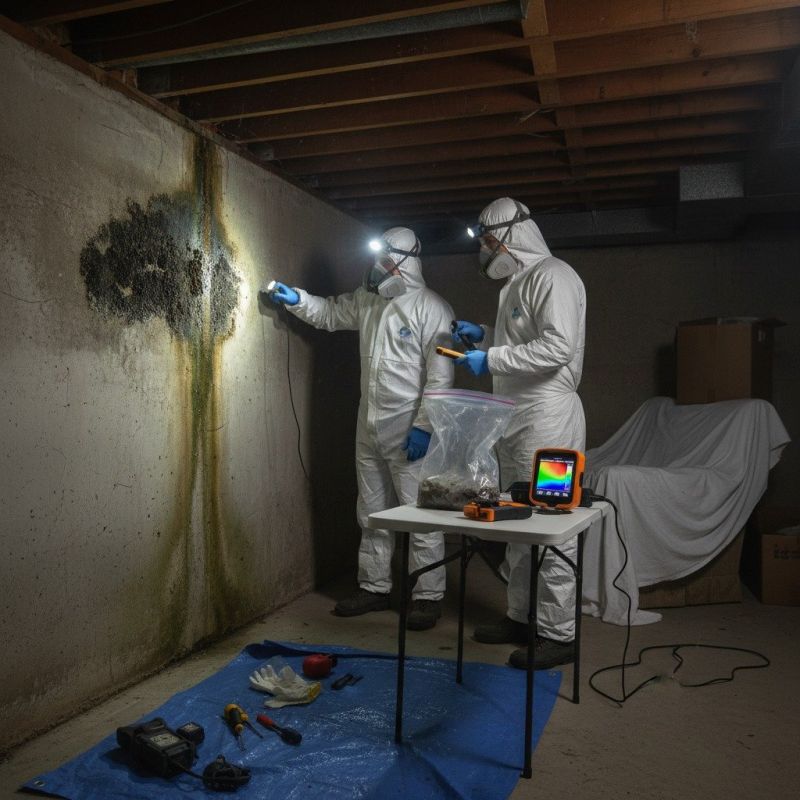
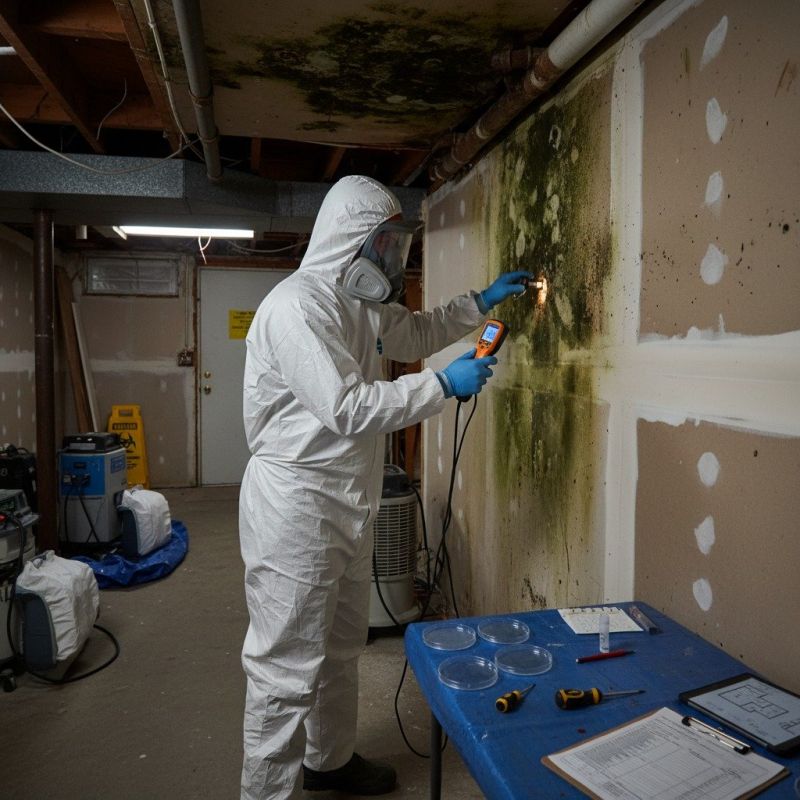
Mold detection services involve inspecting residential properties to identify the presence of mold growth, which may not always be visible to the naked eye. These services typically include thorough examinations of areas prone to moisture, such as basements, bathrooms, kitchens, and areas affected by water leaks or high humidity. Property owners often request mold detection when they notice musty odors, visible mold patches, or experience health symptoms that could be linked to mold exposure. This process helps determine whether mold is present, locate hidden colonies, and assess the extent of contamination within the home.
Before requesting mold detection, homeowners usually want to understand the scope of the inspection, including which areas will be examined and what methods will be used to identify mold. It’s also common to inquire about potential sources of moisture that could foster mold growth, as addressing these issues is essential for effective remediation. Knowing whether mold is present and understanding its extent can help property owners decide on appropriate next steps to improve indoor air quality and maintain a healthy living environment.
Many property owners in Dallas, TX look into Mold Detection for repairs, replacements, upgrades, and appearance-related improvements.
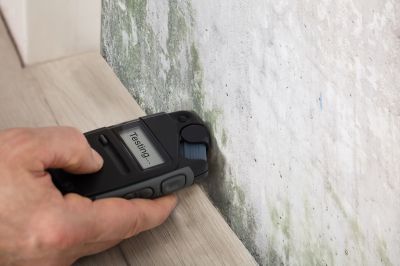
Identifying Hidden Mold
Detects mold growth in areas that are difficult to see or access in dallas homes.
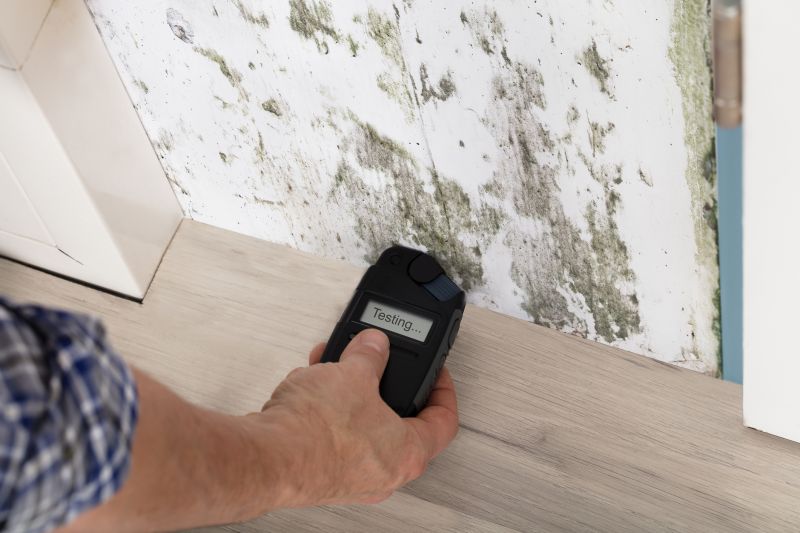
Assessing Indoor Air Quality
Evaluates mold spores in the air to ensure a healthier living environment.
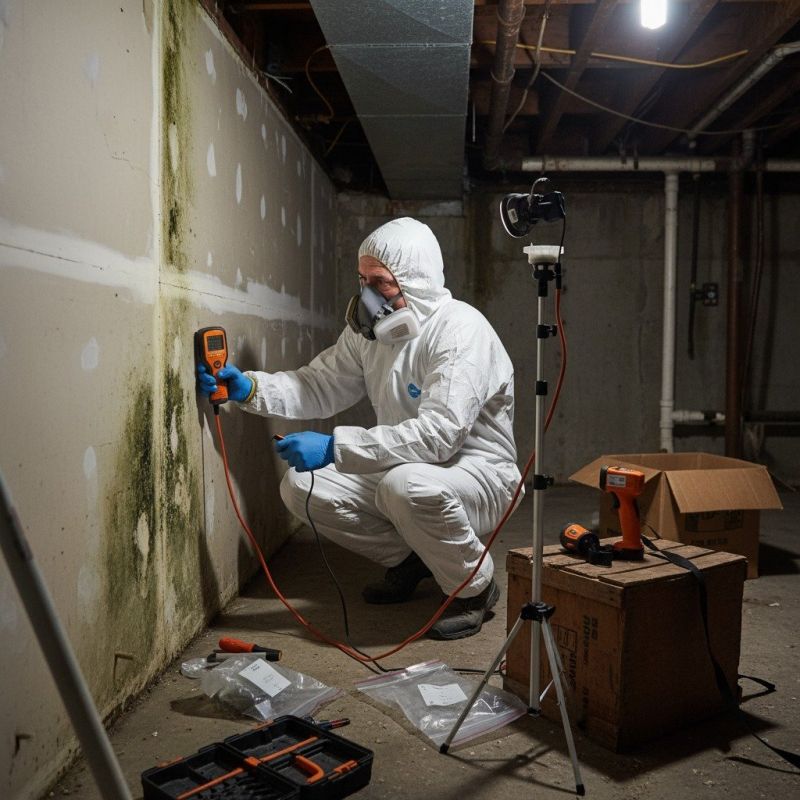
Preventing Structural Damage
Finds mold that could compromise the integrity of walls, ceilings, and other building components.
Mold Detection in Dallas, TX
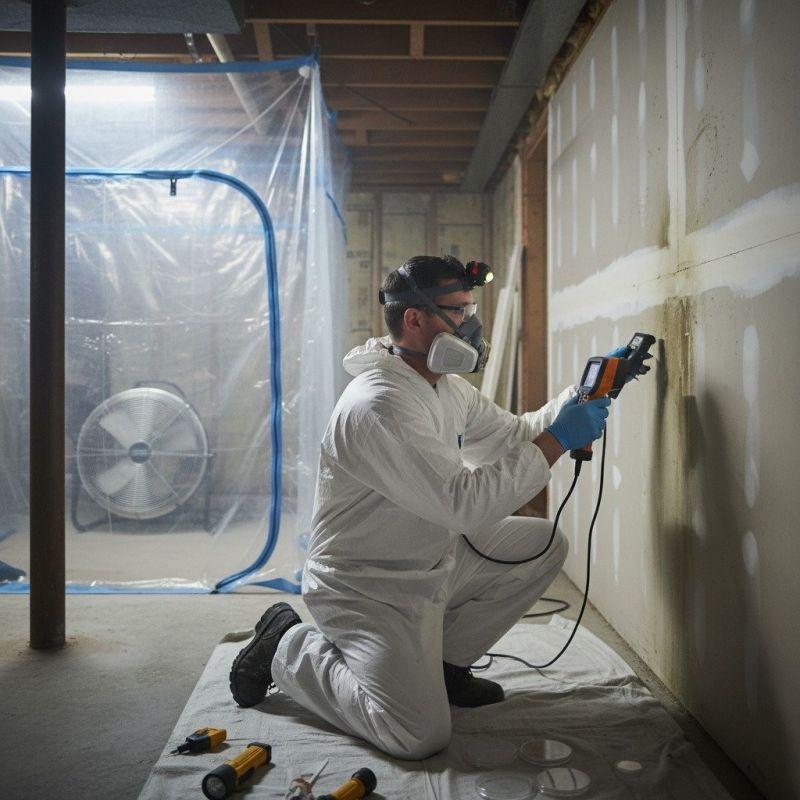
Mold detection services involve inspecting residential properties to identify the presence of mold growth, which may not always be visible to the naked eye. These services typically include thorough examinations of areas prone to moisture, such as basements, bathrooms, kitchens, and areas affected by water leaks or high humidity. Property owners often request mold detection when they notice musty odors, visible mold patches, or experience health symptoms that could be linked to mold exposure. This process helps determine whether mold is present, locate hidden colonies, and assess the extent of contamination within the home.
Before requesting mold detection, homeowners usually want to understand the scope of the inspection, including which areas will be examined and what methods will be used to identify mold. It’s also common to inquire about potential sources of moisture that could foster mold growth, as addressing these issues is essential for effective remediation. Knowing whether mold is present and understanding its extent can help property owners decide on appropriate next steps to improve indoor air quality and maintain a healthy living environment.
Many property owners in Dallas, TX look into Mold Detection for repairs, replacements, upgrades, and appearance-related improvements.
Common Mold Detection Jobs
Mold Inspection - identifies areas of mold growth and sources of moisture in residential properties.
Air Quality Testing - measures airborne mold spores to assess indoor air conditions.
Surface Sampling - collects samples from walls, ceilings, and other surfaces to detect mold presence.
Moisture Assessment - evaluates humidity levels and moisture sources that contribute to mold development.
Post-Remediation Testing - verifies that mold removal efforts have been successful.
Indoor Environment Evaluation - provides a comprehensive assessment of mold risks in homes and buildings.
Mold Detection Questions
What are signs of mold in a home? Common signs include musty odors, visible spots or discoloration on walls and ceilings, and increased allergy symptoms indoors.
How is mold detected in a property? Mold detection involves visual inspections and specialized testing to identify hidden or airborne mold spores.
Why should property owners consider mold detection? Early detection helps prevent health issues and property damage caused by unseen mold growth.
Where are common areas for mold to develop? Mold often grows in damp areas like bathrooms, basements, around leaks, and near HVAC systems.
Request Mold Detection in Dallas, TX
Use the quote form on this page to share the basics of your project and request more information for the type of work you need.